$4.99. $19.99. $299.99. You’ve seen these prices a million times. Everyone knows $19.99 is really twenty dollars. So why does nearly every store keep doing it?
Because it works. At least a little.
The left-digit effect
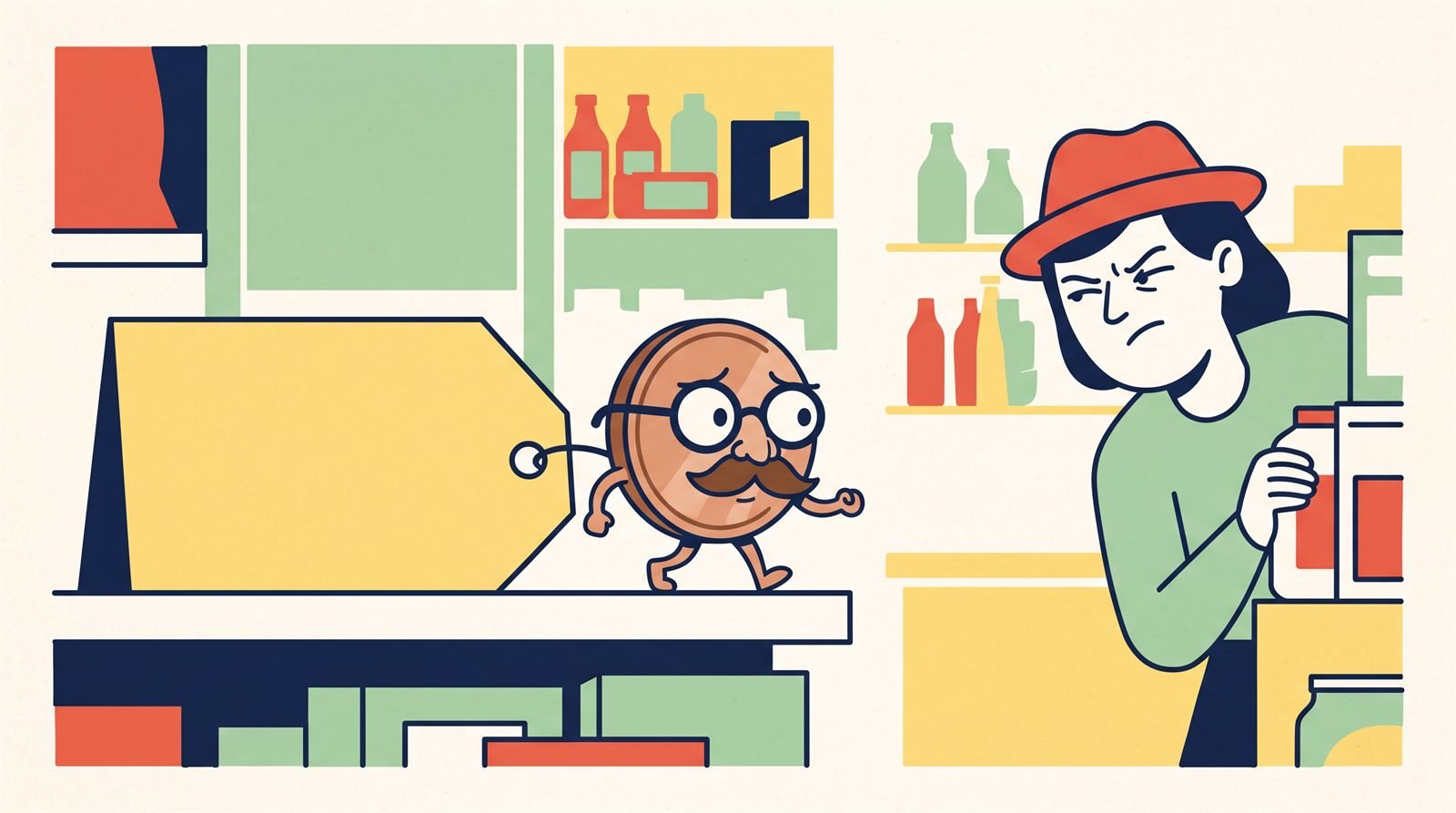
Our brains read prices from left to right, and we give the first digit a lot of weight. $19.99 starts with a “1,” so it feels like it belongs in the teens. $20.00 starts with a “2,” so it feels like twenty-something. That tiny penny moves the price into a different mental neighborhood. Marketers call it charm pricing.
Other secret messages in prices
- Prices ending in .99 or .97 can signal “deal” or “discount” at some stores.
- Round prices like $50 tend to feel premium, simple and confident. Fancy restaurants often leave the dollar sign off entirely.
- Odd specific prices like $7.43 can feel like they were carefully calculated, which makes them seem fair.
- Some stores use special endings to mark clearance items. Bargain hunters swap notes online about what each ending means at their favorite stores.
A little history
One popular story claims prices ending in 99 started as a way to make cashiers open the register to make change, so they couldn’t pocket the cash. It’s a fun story, though nobody’s quite sure it’s true. Either way, the habit stuck.
How to see through it
- Round up in your head. $19.99 is $20. $299.99 is $300. Say it out loud if you have to.
- Compare totals, not price tags. Especially with “4 for $9.99” style deals. The unit price is your friend here.
- Notice how it makes you feel. If a price feels like a steal, check if it actually is.
The fun part
Once you notice charm pricing, you can’t un-notice it. It turns every trip to the store into a little game: spot the 9s, round them up, and feel quietly smarter than the price tag.
Wear the idea
This story has a t-shirt idea in the works: “It’s Basically Twenty Dollars”. Original price-humor tees from our sister site live at nice-tshirt.com.